
How to Improve Posture While Working From Home: The Complete Ergonomic Guide
How to Improve Posture While Working From Home: The Complete Ergonomic Guide
Working from home offers unprecedented flexibility, but it often comes at the cost of physical wellness. Without corporate ergonomic evaluations or reason to walk between meeting rooms, many remote workers find themselves slumping over kitchen tables, couches, or improvised desks. Over time, rounded shoulders, forward head posture, and lower back strain become daily realities. Learning how to improve posture while working from home requires a holistic approach combining physical awareness, workspace optimization, and supportive everyday wear.
The Hidden Impact of Remote Work on Your Spine
When sitting in a slouched position, the natural S-curve of the spine flattens, increasing pressure on intervertebral discs. Forward head posture—often called 'tech neck'—places extra strain on the cervical spine for every inch the head tilts forward. Over an eight-hour shift, this leads to chronic muscular fatigue, tension headaches, and upper back stiffness.
Understanding posture is not merely about standing up straight; it is about maintaining neutral alignment where bones, joints, and muscles function efficiently without undue strain. Addressing daily habits is the first step toward long-term relief.
Key Principles of Ergonomic Workstation Setup
An improper workstation directly causes poor sitting posture. To create an spine-friendly remote setup, focus on the following dimensions:
- Monitor Alignment: Position your screen so the top third of the display sits at eye level, roughly 20-30 inches inches away from your face.
- Chair and Hip Positioning: Sit with your hips positioned slightly higher than or parallel to your knees. Your feet should rest flat on the floor or on a footrest.
- Keyboard Placement: Elbows should rest at a 90-100 degrees-degree angle, resting comfortably on armrests or the desk surface without forcing shoulder elevation.
Active Posture Correction Techniques During the Workday
Static positions wear down muscle stamina. Integrating active movement into your workflow ensures muscles remain engaged and flexible:
The Role of Supportive Apparel in Daily Alignment
While conscious movement is critical, external support serves as a tactile reminder to maintain neutral alignment. Standard underwire bras or restrictive garments can dig into the ribs and shoulders, causing subtle physical compensation that ruins posture.
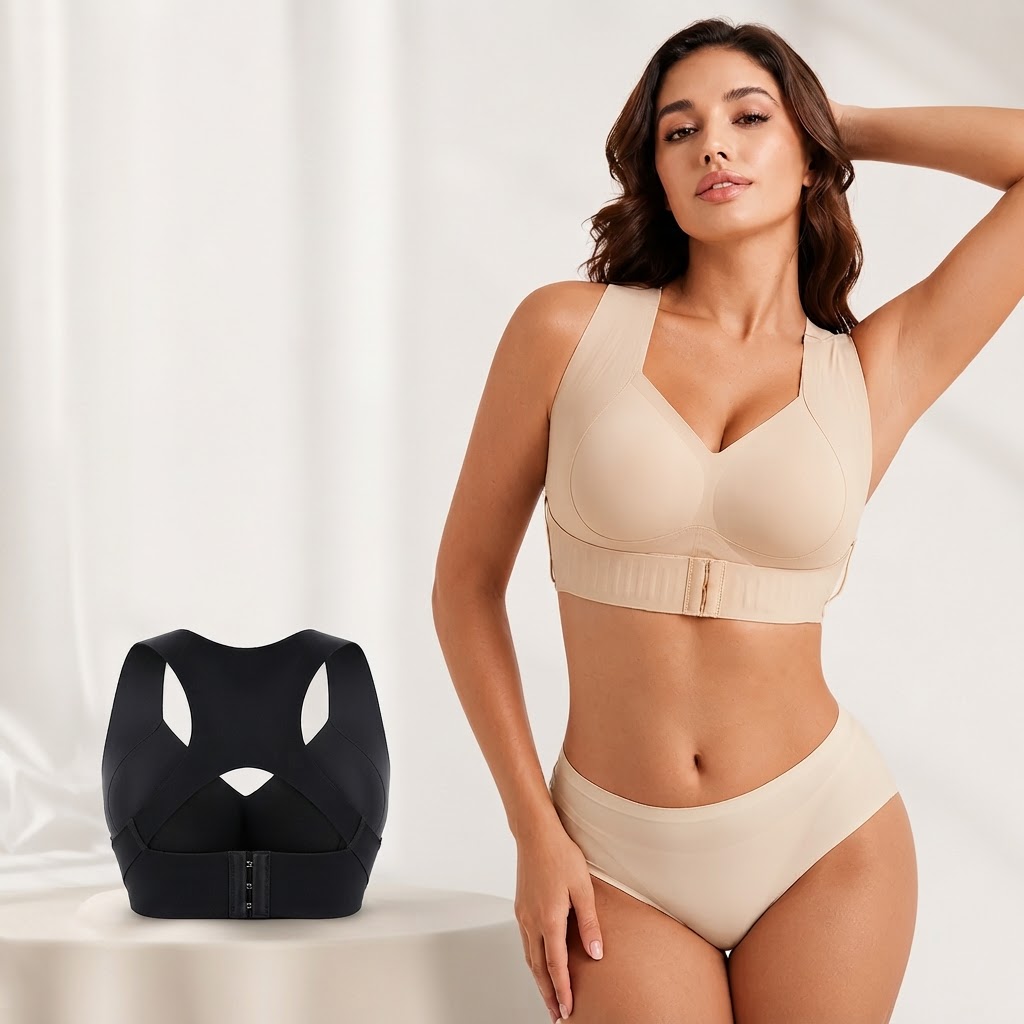
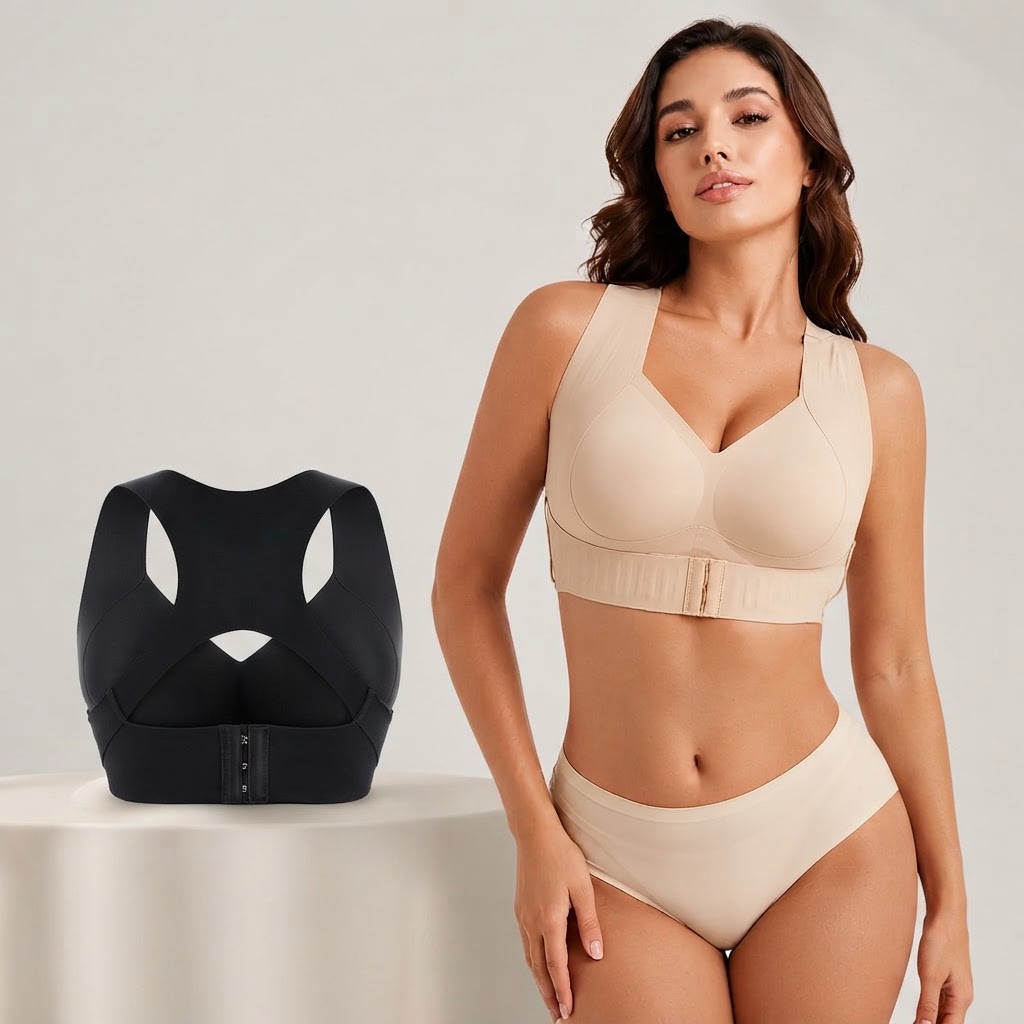
Integrating purposeful apparel, such as a postural correction design bra, encourages gentle shoulder retraction without restricting breathing. Products like the Postural Wireless Bra feature a wireless design for maximum comfort, combined with soft and breathable material to keep you comfortable throughout full work shifts. Featuring non-removable moulded cups, it ensures a smooth look under clothing while delivering gentle structural awareness. Suitable for yoga, fitness, and daily wear, incorporating supportive base layers helps bridge the gap between conscious effort and automatic posture retention.
Creating a Daily Routine for Long-Term Spinal Health
Improving posture is an ongoing commitment rather than a quick fix. Start each morning with three simple mobility movements, audit your monitor height before logging into work, and wear non-restrictive support that promotes chest opening. Over time, these subtle adjustments build posture awareness that protects your spinal health for years to come.
Related in this cluster
- 5 Common Desk Posture Mistakes Remote Workers Make
- How to Do Daily Posture Exercises at Your WFH Desk
- Why Traditional Bras Ruin Work From Home Posture
- Posture Correction Bra vs. Traditional Wireless Bra: What Is the Difference?
- Why the Postural Wireless Bra Is Essential for WFH Comfort
- WFH Posture & Supportive Apparel: Frequently Asked Questions